
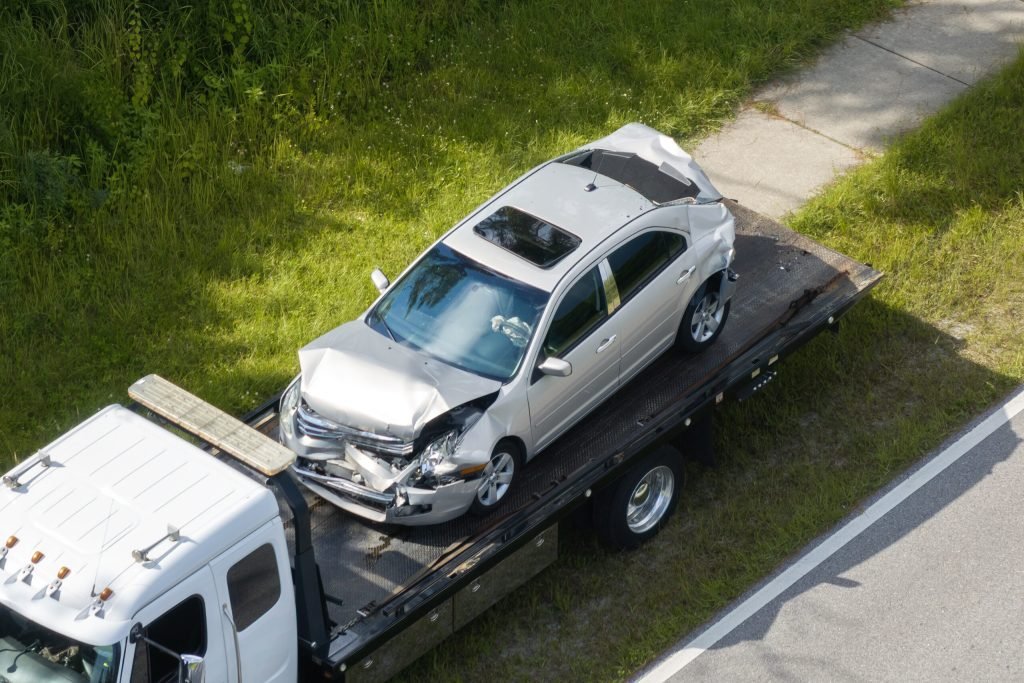
Edmonton dangerous roads car accidents occur at predictable locations where vehicle breakdowns create perfect storm conditions for collisions. Understanding these high-risk zones helps Edmonton drivers prepare for potential emergencies and recognize when professional assistance is essential for safety.
Traffic data reveals that 70% of Edmonton’s serious breakdown-related accidents occur on just five major roadways, with Highway 2, Anthony Henday Drive, and Whitemud Drive accounting for the majority of incidents. These Edmonton dangerous roads car accidents patterns provide valuable insights for both prevention and emergency response planning.
Highway 2 Accident Statistics and Breakdown Zones
Highway 2 through Edmonton represents the province’s most dangerous corridor for breakdown-related accidents, with over 400 incidents annually involving stranded vehicles and secondary collisions.
Highway 2 Edmonton Breakdown Statistics (2023 Data):
- Average response time for emergencies: 15-25 minutes
- Peak incident hours: 7-9 AM and 4-7 PM weekdays
- Most common breakdown causes: Battery failure (35%), tire problems (28%), engine overheating (18%)
- Weather-related incident increase: 340% during winter storms
High-Risk Highway 2 Sections
The stretch between Calgary Trail and 23 Avenue experiences the highest concentration of breakdown incidents, particularly during rush hour traffic. Limited shoulder space and high-speed traffic create extremely dangerous conditions for stranded drivers.
Construction zones along Highway 2 compound the danger, with narrowed lanes and shifting traffic patterns increasing accident risks when vehicles break down unexpectedly.
Critical Danger Zone: Highway 2 between Whitemud Drive and Calgary Trail – This 8-kilometer stretch accounts for 25% of all Edmonton Highway 2 breakdown accidents due to heavy traffic volume and limited safe stopping areas.
Emergency Response Challenges on Highway 2
Emergency responders face significant challenges reaching stranded vehicles during peak traffic periods. Professional towing services require specialized equipment and traffic management protocols for safe Highway 2 operations.
The combination of high-speed traffic, heavy commercial vehicles, and weather conditions makes Highway 2 breakdown situations particularly hazardous for both stranded drivers and emergency responders.
Whitemud Drive Trouble Spots and Common Issues
Whitemud Drive’s unique design creates specific hazard zones where Edmonton dangerous roads car accidents cluster around predictable breakdown locations.
Bridge and Overpass Breakdown Risks
Vehicle breakdowns on Whitemud Drive bridges create extreme danger due to no shoulder space and 90+ km/h traffic speeds. The 109 Street overpass and Groat Road bridge represent particular hazard zones where breakdown response requires immediate professional intervention.
| Whitemud Drive Section | Primary Hazard | Accident Rate | Emergency Response Time |
|---|---|---|---|
| 109 Street to Groat Road | Bridge breakdowns, no shoulder | High | 8-12 minutes |
| Calgary Trail to Gateway Blvd | Heavy traffic, construction | Very High | 12-18 minutes |
| Terwillegar to Rabbit Hill | Winter conditions, hills | Moderate | 15-20 minutes |
| Fox Drive to Groat Road | Congestion, limited access | High | 10-15 minutes |
Winter Weather Impact on Whitemud Drive
Whitemud Drive’s east-west orientation creates unique winter challenges with sun glare, ice formation, and snow accumulation patterns. These conditions contribute to 60% more breakdown incidents during winter months compared to summer periods.
Professional winter roadside assistance becomes essential on Whitemud Drive due to limited safe areas for self-help and extreme weather exposure risks.
Anthony Henday Drive Common Breakdown Locations
Anthony Henday Drive’s ring road design creates specific trouble zones where vehicle breakdowns frequently occur, often in locations with limited emergency access.
Southwest and Northwest Sections
The Anthony Henday Drive sections between Terwillegar Drive and Yellowhead Trail experience the highest breakdown rates due to traffic volume, construction activity, and challenging winter conditions.
Anthony Henday High-Risk Zones:
- Terwillegar Drive to Whitemud Drive interchange – Heavy traffic, complex merge patterns
- Yellowhead Trail vicinity – Commercial traffic, multiple lane changes
- Manning Drive area – Construction zones, reduced lane widths
- Calgary Trail interchange – High-speed merging, weather exposure
Emergency Access Limitations
Anthony Henday Drive’s design includes limited emergency vehicle access points, making breakdown response times longer than other Edmonton roadways. Professional services require specialized routing knowledge for efficient emergency response.
The ring road’s high traffic speeds and heavy commercial vehicle presence make self-rescue attempts extremely dangerous, particularly during peak traffic periods or adverse weather conditions.
Winter Weather Impact Zones Across Edmonton
Edmonton dangerous roads car accidents increase dramatically during winter weather events, with specific locations experiencing predictable breakdown patterns based on topography, exposure, and maintenance priorities.
Elevation Changes and Ice Formation
Edmonton’s river valley creates elevation changes that trap cold air and promote ice formation on roadways. Bridges, overpasses, and hill sections freeze first and remain hazardous longest during winter conditions.
Winter Breakdown Prevention: Carry emergency supplies including warm clothing, flashlight, and emergency contact numbers. Winter breakdowns on Edmonton dangerous roads require immediate professional assistance due to exposure risks and traffic hazards.
Snow Accumulation Problem Areas
Certain Edmonton road sections accumulate snow faster due to wind patterns and surrounding terrain. These areas see increased breakdown rates from vehicles becoming stuck or experiencing visibility-related accidents.
Professional winter services understand these problem areas and position equipment strategically to provide faster response during winter weather events.
Construction Zone Hazards and Temporary Dangers
Construction zones create temporary but significant increases in Edmonton dangerous roads car accidents rates, particularly when vehicle breakdowns occur within work areas.
Lane Restriction Impact on Breakdown Safety
Construction zone lane restrictions eliminate safe stopping areas and create dangerous situations when vehicles break down unexpectedly. Professional emergency services require special permits and safety protocols for construction zone operations.
Construction Zone Emergency Protocol:
- Never attempt self-repair in construction zones
- Exit your vehicle only if absolutely safe to do so
- Call 911 immediately for traffic control
- Request professional towing with construction zone experience
- Stay in your vehicle with seatbelt fastened if exiting isn’t safe
Worker and Driver Safety Concerns
Breakdown incidents in construction zones endanger both stranded drivers and construction workers. Professional services coordinate with site supervisors and traffic control personnel to ensure safe vehicle recovery.
Construction zone breakdowns require immediate professional intervention due to complex safety requirements and specialized equipment needs for safe vehicle removal.
Rush Hour Breakdown Risks on Edmonton Roads
Peak traffic periods create the most dangerous conditions for vehicle breakdowns, with Edmonton dangerous roads car accidents peaking during morning and evening rush hours.
Traffic Volume and Speed Differentials
Rush hour traffic creates extreme speed differentials between flowing traffic and broken-down vehicles. These conditions contribute to 40% of all breakdown-related accidents in Edmonton.
Professional emergency services monitor traffic patterns and position resources strategically to provide faster response during high-risk periods.
Visibility and Driver Attention Challenges
Rush hour driving conditions reduce driver attention and reaction times, making breakdown situations more likely to result in secondary accidents. Low light conditions during winter rush hours compound these visibility challenges.
Professional emergency towing services use high-visibility equipment and traffic management techniques to protect stranded drivers during peak traffic periods.
Safety Tips for Edmonton’s High-Risk Road Sections
Understanding how to respond safely when breakdowns occur on Edmonton dangerous roads can prevent secondary accidents and protect both you and other drivers.
Immediate Response Protocols
When your vehicle breaks down on high-risk Edmonton roads, prioritize personal safety over vehicle concerns. Move to the safest available location, activate emergency flashers, and exit the roadway when possible.
High-Risk Road Breakdown Response:
- Activate hazard lights immediately
- Move to the rightmost lane or shoulder if possible
- Exit vehicle only if safety permits
- Call 911 for traffic control if needed
- Contact professional towing services immediately
- Stay visible to other drivers using reflective triangles or flares
Professional Service Contact Importance
Edmonton’s most dangerous roads require professional emergency response due to traffic conditions, weather exposure, and safety regulations. Attempting self-rescue on high-speed roadways significantly increases accident risks.
Professional services maintain specialized equipment, traffic management capabilities, and safety training specific to Edmonton’s challenging road conditions.
Emergency Response Protocol for Dangerous Breakdowns
Proper emergency response protocols can prevent Edmonton dangerous roads car accidents from becoming fatal incidents involving multiple vehicles.
911 vs Professional Towing Service Decisions
Call 911 immediately if your breakdown creates immediate traffic hazards, involves injuries, or occurs in construction zones. For standard breakdowns with adequate safety margins, professional towing services provide faster, more appropriate response.
Emergency services coordinate with professional towing when traffic control or medical attention is required, ensuring comprehensive safety management during complex incidents.
Documentation and Insurance Considerations
Document breakdown locations, weather conditions, and safety measures taken during emergency situations. This information assists insurance claims and helps emergency responders understand incident circumstances.
Professional towing services provide detailed incident reports that support insurance claims and demonstrate appropriate safety measures during emergency response.
Insurance Claim Considerations for Road Breakdowns
Breakdown incidents on Edmonton dangerous roads often involve insurance claims for vehicle damage, towing costs, and potential accident-related expenses.
Coverage Options and Documentation Requirements
Comprehensive insurance typically covers breakdown-related damages, while collision coverage applies to accident scenarios. Professional towing services understand insurance requirements and provide appropriate documentation for claims processing.
Detailed documentation of breakdown circumstances, professional service responses, and safety measures taken strengthens insurance claims and demonstrates responsible driving behavior.
Frequently Asked Questions About Edmonton’s Dangerous Roads for Breakdowns
Which Edmonton road has the most breakdown-related accidents?
What should I do if my car breaks down on Anthony Henday Drive?
Are winter breakdowns more dangerous on Edmonton roads?
How quickly do professional services respond to dangerous road breakdowns?
Should I call 911 or a towing company for highway breakdowns?
Stranded on Edmonton’s Busy Roads? We Know Every Route and Respond Fast!
When breakdowns happen on Edmonton’s most dangerous roads, Global Towing’s local expertise gets you to safety quickly. Our team knows every trouble spot, traffic pattern, and emergency access route across Edmonton’s road network.
Don’t risk your safety on dangerous roads – call Global Towing for professional emergency response that prioritizes your safety above all else!