
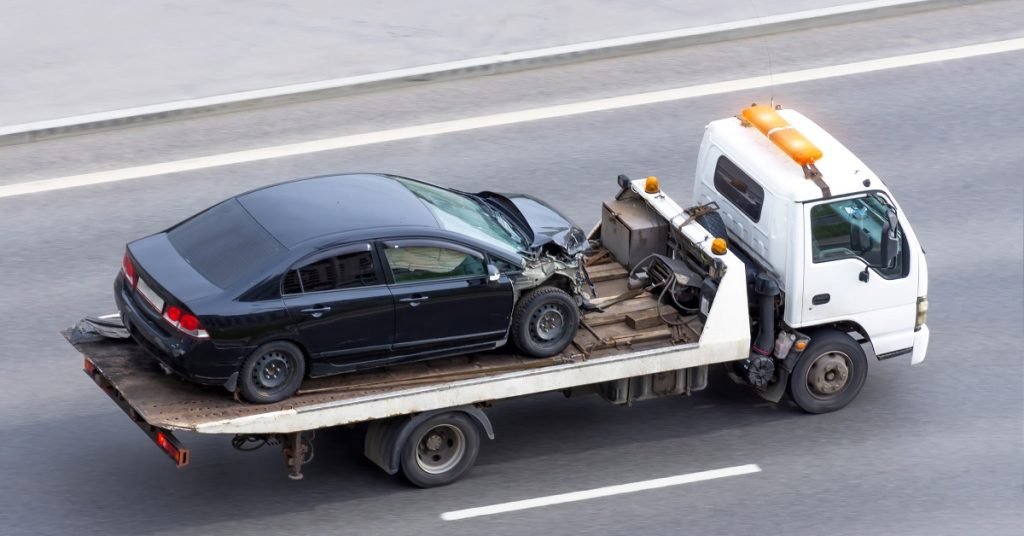
Accident recovery Edmonton checklist procedures can dramatically affect your safety, insurance claims, and legal protection during the critical first 30 minutes following a collision. Understanding proper emergency protocols, documentation requirements, and professional recovery services helps Edmonton drivers navigate traumatic situations while protecting their interests and ensuring appropriate medical care.
Edmonton experiences over 15,000 vehicle accidents annually, with proper immediate response often determining the difference between manageable insurance claims and complicated legal disputes. Professional accident recovery Edmonton checklist protocols followed during the first half-hour significantly impact long-term outcomes for all parties involved in collision situations.
Immediate Safety Steps: First 5 Minutes After Impact
The initial moments following an accident determine personal safety outcomes and set the foundation for all subsequent emergency response and recovery procedures.
Assess Personal Injuries and Passenger Safety
Check yourself and all passengers for injuries before attempting any other actions. Even minor accidents can cause serious injuries that adrenaline initially masks. Do not move anyone who reports neck, back, or head pain unless immediate danger requires evacuation.
Call 911 immediately if anyone reports pain, disorientation, or visible injuries. Professional medical assessment is essential even for seemingly minor complaints following vehicle collisions.
Secure the Accident Scene
Turn on hazard lights immediately and assess whether vehicles can be moved safely out of traffic. If vehicles are drivable and no serious injuries occurred, move them to the roadside or parking areas to prevent additional collisions.
If vehicles cannot be moved safely, exit carefully and move to secure locations away from traffic while waiting for emergency responders to arrive and manage scene safety.
Evaluate Environmental Hazards
Check for fuel leaks, electrical hazards, fire risks, or unstable vehicle positions that could create additional dangers. Edmonton accidents during winter conditions require extra caution due to icy surfaces and visibility challenges.
If hazardous conditions exist, evacuate the immediate area and warn other drivers while waiting for professional emergency services to secure the scene properly.
Critical Safety Priorities:
- Personal safety takes absolute priority over vehicle damage or inconvenience
- Never argue fault or liability at accident scenes – focus on safety and documentation
- Do not sign any documents except police reports or medical consent forms
- Avoid admitting fault even in casual conversation with other drivers
- Document everything but prioritize medical attention for any reported injuries
Calling Emergency Services: When and How
Understanding when to call 911 versus handling accidents through insurance channels affects response times, official documentation, and legal protection for all parties involved.
Mandatory 911 Call Situations
Alberta law requires police notification for accidents involving injuries, significant property damage, impaired drivers, or disagreements about fault determination. Edmonton accidents on major roadways typically require police response due to traffic management needs.
Always Call 911 When:
- Anyone reports injuries, pain, or medical concerns
- Vehicles cannot be moved safely from traffic areas
- Property damage appears to exceed $2,000 per vehicle
- Drivers disagree about fault or circumstances
- Suspected impaired driving or reckless behavior
- Hit-and-run situations or uninsured drivers
- Accidents involving commercial vehicles or government property
Information to Provide Emergency Dispatch
Provide clear, accurate location information including street names, landmarks, or intersection details. Edmonton’s complex road system requires precise location descriptions for efficient emergency response routing.
Report the number of vehicles involved, visible injuries, traffic hazards, and whether vehicles can be moved safely. This information helps dispatchers send appropriate resources and prioritize response urgency.
Documentation Requirements for Insurance and Legal Protection
Proper documentation during the first 30 minutes provides crucial evidence for insurance claims and potential legal proceedings, especially in complex accident recovery Edmonton checklist situations.
Essential Photographic Evidence
Photograph all vehicles from multiple angles, showing damage, license plates, and vehicle positions. Include wide-angle shots showing the overall accident scene, traffic conditions, and road surfaces.
| Documentation Priority | Time Frame | Required Information | Purpose |
|---|---|---|---|
| Scene Photos | 0-10 minutes | Vehicle positions, damage, road conditions | Insurance claims, fault determination |
| Driver Information | 5-15 minutes | License, insurance, contact details | Claim processing, legal requirements |
| Witness Statements | 10-25 minutes | Contact info, brief statements | Independent accident verification |
| Police Report | 15-30 minutes | Official incident documentation | Legal protection, insurance processing |
Driver and Vehicle Information Collection
Exchange driver’s license information, insurance details, vehicle registration, and contact information with all drivers involved. Use smartphone cameras to photograph documents rather than writing information manually when possible.
Required Information from All Drivers:
- Full legal name and current address
- Driver’s license number and expiration date
- Insurance company name and policy number
- Vehicle year, make, model, and license plate number
- Current phone number and email address if available
- Vehicle owner information if different from driver
Insurance Contact Protocol and Claim Initiation
Contacting insurance companies promptly after accident recovery Edmonton checklist procedures ensures timely claim processing and access to covered services like towing and rental vehicles.
Primary Insurance Notification Timeline
Contact your insurance company within 24 hours of any accident, regardless of fault determination. Many policies require prompt notification to maintain coverage for towing, rental cars, and damage claims.
Professional accident recovery services can coordinate with insurance companies during scene management, ensuring proper documentation and claim initiation procedures.
Information Insurance Companies Require
Insurance adjusters need comprehensive accident details including time, location, weather conditions, traffic circumstances, and preliminary damage assessments to initiate claims processing effectively.
Insurance Claim Essential Information:
- Policy number and coverage details
- Exact accident time, date, and location
- Other drivers’ insurance information
- Police report number if officers responded
- Preliminary damage assessment and photos
- Witness contact information and statements
- Medical attention received or declined
Towing Service Considerations During Accident Recovery
Selecting appropriate towing services during accident situations affects vehicle security, insurance coverage, and repair facility coordination throughout the recovery process.
Insurance-Approved vs Independent Towing Services
Many insurance policies cover towing costs but may specify approved service providers or reimbursement limits. Understanding coverage details prevents unexpected out-of-pocket expenses during emergency situations.
Independent professional services often provide faster response times and more personalized attention than insurance-contracted providers, especially during peak demand periods or complex recovery situations.
Vehicle Destination and Storage Considerations
Choose vehicle destination carefully based on insurance requirements, repair facility preferences, and security concerns. Some insurance policies require vehicles to be stored at approved facilities to maintain coverage.
Professional accident recovery services understand insurance requirements and can transport vehicles to appropriate facilities while maintaining proper documentation for claim processing.
Vehicle Position Safety and Traffic Management
Managing vehicle positions and traffic flow during accident recovery Edmonton checklist procedures prevents secondary accidents and ensures emergency responder access to accident scenes.
Safe Vehicle Positioning Protocol
Move drivable vehicles completely off roadways when possible, positioning them in parking lots or side streets rather than shoulders where secondary accidents commonly occur.
Vehicle Position Safety Guidelines:
- Move vehicles completely off roadways if safely possible
- Use hazard lights and emergency triangles to warn approaching traffic
- Position warning devices 100-200 feet behind accident scenes
- Evacuate vehicles and wait in safe locations away from traffic
- Never attempt to direct traffic or manage scene safety without proper training
Professional Traffic Management Benefits
Police officers and professional towing services have training and equipment to manage traffic safely during accident recovery operations. Attempting to direct traffic without proper authority and visibility equipment creates additional hazards.
Professional services coordinate with law enforcement to establish safe work zones and manage traffic flow during complex recovery operations on busy Edmonton roadways.
Witness Information and Independent Verification
Witness statements provide crucial independent verification of accident circumstances that can significantly impact insurance settlements and legal proceedings.
Effective Witness Interview Techniques
Approach witnesses politely and request brief statements about what they observed. Focus on factual observations rather than opinions about fault or causation during initial conversations.
Record witness contact information immediately, as people may leave accident scenes quickly. Use smartphone voice recording with permission to capture detailed statements when circumstances permit.
Witness Information Priorities:
- Full name and current contact information
- Brief description of what they observed
- Their location when the accident occurred
- Whether they saw events leading up to the collision
- Any photos or videos they may have captured
- Their availability to provide formal statements later
Independent Accident Verification Value
Independent witnesses provide objective perspectives that insurance companies and legal representatives value highly during claim investigations and dispute resolution processes.
Professional accident recovery Edmonton checklist procedures include witness coordination and statement collection to ensure comprehensive documentation for all parties involved.
Medical Attention Guidelines and Documentation
Proper medical evaluation following accidents protects your health and provides essential documentation for insurance claims and potential injury settlements.
When to Seek Immediate Medical Attention
Seek immediate medical evaluation for any reported pain, disorientation, or visible injuries. Adrenaline can mask serious injuries that become apparent hours after accidents occur.
Seek Immediate Medical Attention For:
- Any reported neck, back, or head pain
- Disorientation, confusion, or memory problems
- Visible injuries including cuts, bruises, or swelling
- Chest pain or difficulty breathing
- Nausea or dizziness following impact
- Any concerns about injury severity or symptoms
Medical Documentation for Insurance Claims
Medical records provide crucial documentation linking injuries to accident events, supporting insurance claims and protecting against delayed symptom disputes.
Even if you initially decline ambulance transport, consider follow-up medical evaluation within 24-48 hours to document any delayed-onset symptoms or conditions.
Recovery Service Options and Professional Coordination
Understanding available recovery services and coordination options helps Edmonton drivers make informed decisions during stressful post-accident situations.
Professional Recovery Service Categories
Accident recovery services include basic towing, heavy-duty recovery, debris cleanup, and emergency roadside assistance. Professional services assess situation complexity and deploy appropriate equipment and personnel.
Quality recovery services like professional accident recovery coordinate with insurance companies, repair facilities, and law enforcement to streamline the entire recovery process.
Service Coordination and Communication
Professional recovery services maintain communication with all stakeholders throughout the recovery process, providing updates on vehicle status, repair facility coordination, and insurance claim documentation.
Experienced recovery services understand insurance requirements and can provide documentation and coordination that prevents claim processing delays or coverage disputes.
Follow-Up Actions Within 48 Hours
Post-accident follow-up actions during the first 48 hours significantly impact insurance claim success, legal protection, and recovery coordination effectiveness.
Insurance Claim Processing Steps
Submit formal insurance claims within 48 hours, providing all documentation collected during initial response procedures. Include photos, witness statements, police report numbers, and medical documentation.
48-Hour Follow-Up Priorities:
- Submit formal insurance claims with comprehensive documentation
- Schedule medical follow-up for any reported symptoms
- Contact repair facilities to coordinate vehicle assessment
- Obtain copies of official police reports when available
- Document any ongoing symptoms or concerns in writing
- Coordinate rental vehicle arrangements if covered by insurance
Legal Consultation Considerations
Consider legal consultation for accidents involving serious injuries, disputed fault, or insurance coverage problems. Early legal advice can protect your interests and prevent costly mistakes during claim processing.
Professional accident recovery Edmonton checklist procedures include coordination with legal representatives when complex liability or injury issues require specialized expertise.
Frequently Asked Questions About Accident Recovery Edmonton Checklist
Should I move my vehicle after an accident if it’s blocking traffic?
Do I need to call police for minor accidents in Edmonton?
How long do I have to report an accident to my insurance company?
What if the other driver doesn’t have insurance or leaves the scene?
Should I accept ambulance transport even if I feel fine after an accident?
After an Accident, Trust Global Towing for Professional Recovery and Peace of Mind!
Global Towing provides comprehensive accident recovery services across Edmonton, coordinating with insurance companies, law enforcement, and medical services to ensure proper documentation and professional vehicle recovery during your most stressful moments.
When accidents happen, you need experienced professionals who understand insurance requirements and prioritize your safety. Call Global Towing for complete accident recovery services!